Robocalls remain a significant issue in Nevada, with legal protections offered by the Telephone Consumer Protection Act (TCPA) and state laws. Consumers can register on the National Do Not Call Registry, use smartphone apps for call blocking, and report unwanted calls to FCC and local offices. Despite efforts, complaints are rising; practical steps include monitoring call history, updating privacy settings, and consulting a lawyer for robocall laws Nevada for guidance and legal action against persistent or fraudulent calls.
In today’s digital age, unwanted robocalls have become a pervasive nuisance, with many Nevadans frustrated by the constant deluge of automated phone calls. These relentless calls not only disrupt daily life but also raise serious privacy concerns. The good news is that there are effective solutions to combat this growing issue. This article provides an in-depth guide to navigating the world of robocall prevention, offering practical strategies and insights for Nevadans seeking a quieter, more peaceful home environment. By exploring top apps designed to block these calls, we empower individuals to take control, ensuring they can enjoy peace of mind and silence unwanted intrusions—a valuable asset for anyone looking to protect their personal space from excessive robocalls.
Understanding Robocalls: Legal Rights in Nevada
Robocalls remain a persistent problem across the country, including Nevada. These automated calls, often carrying political messages or marketing offers, can be intrusive and frustrating. In Nevada, residents have legal rights to protect themselves from unwanted robocalls. The Telephone Consumer Protection Act (TCPA), a federal law, prohibits certain types of automated telemarketing calls without prior express consent. Additionally, Nevada state laws reinforce these protections, ensuring that citizens can take action against violators.
Understanding your rights is the first step in combating robocalls. If you receive a robocall in Nevada, you have options. You can register your number on the National Do Not Call Registry, which can prevent most telemarketing calls. Furthermore, many smartphone apps offer advanced call-blocking features specifically designed to tackle robocalls. In Nevada, where these laws are strictly enforced, reporting unwanted calls to both the Federal Communications Commission (FCC) and the Nevada Attorney General’s office is recommended. A lawyer for robocall laws in Nevada can provide guidance on how to navigate these protections and take legal action if necessary.
Data shows that despite efforts to combat them, robocalls continue to rise. In 2022, the FCC received over 47,000 consumer complaints about robocalls, with Nevada contributing a significant number. This underscores the need for proactive measures. Consumers should regularly check their call history for suspicious activity and update privacy settings on their devices and accounts. For instance, many phone carriers offer built-in call-blocking features or allow users to customize blocking lists. Additionally, seeking advice from a legal professional experienced in handling robocall disputes can be invaluable, ensuring your rights are respected and protected.
Top Apps to Block Automated Calls Effectively
In Nevada, as across the nation, robocalls remain a persistent nuisance, with millions of Americans falling victim to automated calls daily. These unwanted interactions not only disrupt daily life but can also signal potential scams or fraudulent activities. Thankfully, consumers now have powerful tools at their disposal to combat this growing issue. Top apps designed to block automated calls offer an effective first line of defense, providing much-needed relief from incessant robocalls.
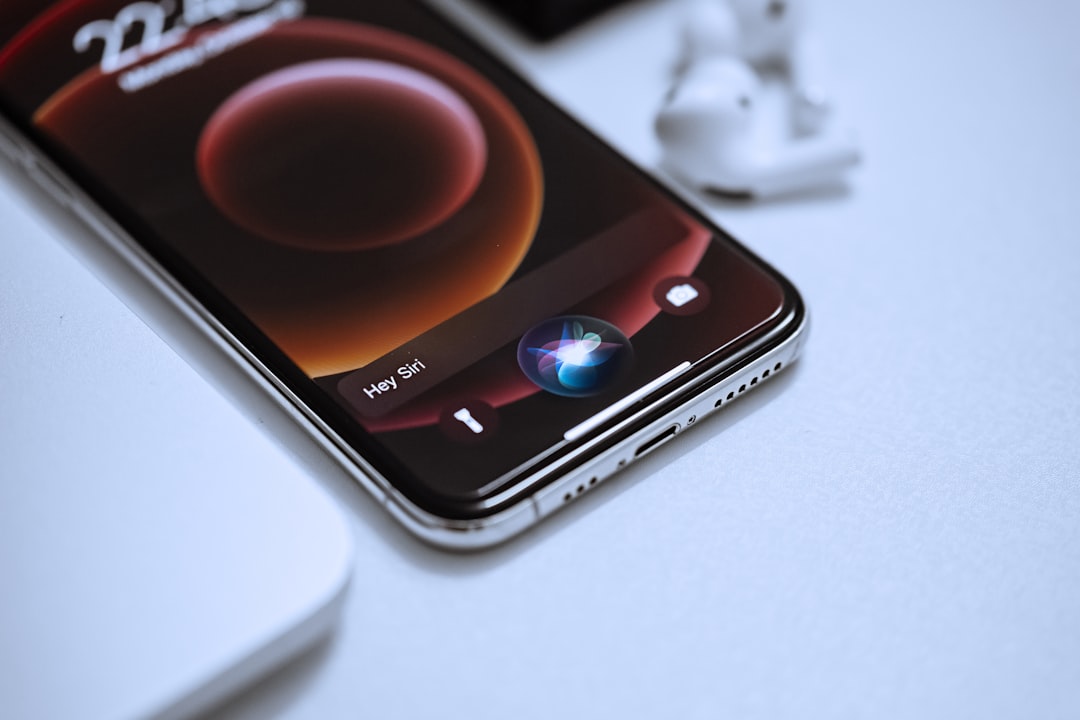
Among the most effective solutions are applications that utilize sophisticated algorithms and machine learning to identify and block robocalls with impressive accuracy. Apps like TrueCall and Hiya stand out for their advanced call screening capabilities. For instance, TrueCall has received recognition for blocking over 500 million spam calls since its launch, while Hiya boasts a robust database of known robocallers, enabling users to enjoy significantly fewer intrusive calls. Another notable app, NoCall, offers personalized call blocking and allows users to report unwanted calls, contributing to a collective effort to curb robocalling activities.
While these apps provide a robust defense, it’s crucial to remember that complete protection against all robocalls is challenging. Nevada residents who encounter persistent or fraudulent calls should consider consulting with an experienced lawyer for robocall laws in Nevada. Legal counsel can offer specialized guidance on dealing with unwanted calls and help navigate the complex landscape of consumer protection regulations. By combining robust app-based solutions with legal expertise, individuals can better protect themselves from the nuisances and potential dangers posed by automated calls.
Seeking Justice: Hiring a Lawyer for Robocall Harassment in NV
In Nevada, as across the nation, robocalls have become a ubiquitous yet unwanted part of daily life for many residents. What starts as an annoyance can escalate into harassment, particularly when calls persist despite requests to stop. For Nevadans facing relentless robocall campaigns, seeking legal recourse is a crucial step towards justice and relief. Hiring a lawyer specializing in robocall laws Nevada can provide a powerful solution, offering expert guidance tailored to state regulations.
Nevada’s Telephone Consumer Protection Act (TCPA) mirrors federal legislation, granting consumers the right to sue for damages caused by unwanted automated calls. A qualified lawyer for robocall harassment in NV will be well-versed in these laws and able to navigate complex legal procedures. They can help clients understand their rights, document evidence of repeated robocalls, and formulate a robust legal strategy. Through strategic litigation or negotiations with call centers, these attorneys aim to stop the calls and secure monetary compensation for victims’ troubles.
For instance, in 2022, Nevada’s Attorney General successfully sued several companies for violating TCPA, resulting in significant financial penalties. This underscores the state’s commitment to protecting residents from abusive robocall practices. Engaging a specialized lawyer is an active step towards reclaiming peace of mind and ensuring compliance with consumer protection laws. With their help, Nevadans can effectively seek justice and put an end to harassing robocalls.